[ . BACK to DARUMA MUSEUM TOP . ]
. Japan - Shrines and Temples - Index .
. Buddhist Temples and their Legends .
. Adachi 100 Fudo Temples 足立百不動尊霊場 Pilgrimage .
::::::::::::::::::::::::::::::::::::::::::::::::::::::::::::::::::::::::::::::::::::::::::::::::::::::::::::::::::::::::::::::::::::::::::::::::::::::::::::::::::::::::::::::
Iooji 醫王寺 / 医王寺 Io-Ji, Nishibori
上宮山 Kamimiyazan 医王寺Ioji
さいたま市桜区西堀2-6-17 / Saitama city, Sakura ward, Nishibori
The main statue is 不動 Fudo Myo-O.
Another seated statue is 大日如来 Dainichi Nyorai.
- Chant of the temple
あしやらそん めくませたまひ西堀の 薬にいゆる よの衆生かな
The date of the founding is not clear, maybe 1764.
To the right is a small hill with a Hall for 大日如来 Dainichi Nyorai.
Below the hall is a large area with graves, some with the date of 1789.
The temple bell was put up in the Mid-Edo Period.
It can be struck from all four directions.
It was made by 長谷川国重 Hasegawa Kunishige.
..............................................................................................................................................
shuin 朱印 stamp
..............................................................................................................................................
Also on the following pilgrimage :
. Bushu Adachi 100 Fudo Temples Pilgrimage
武州足立百不動尊霊場 . - Nr. 66
.......................................................................
- - - - - Reference of the Temple
- reference source : tesshow -
- reference source : raifuku.net/junrei/busou 28 ... -
- reference source : hanaetabi.fc2web.com/hudou/index ... -
- reference source : nippon-reijo.jimdofree ... -
::::::::::::::::::::::::::::::::::::::::::::::::::::::::::::::::::::::::::::::::::::::::::::::::::::::::::::::::::::::::::::::::::::::::::::::::::::::::::::::::::::::::::::::
This Temple is Nr. 66 of the
. Adachi 100 Fudo Temples 足立百不動尊霊場 Pilgrimage .
::::::::::::::::::::::::::::::::::::::::::::::::::::::::::::::::::::::::::::::::::::::::::::::::::::::::::::::::::::::::::::::::::::::::::::::::::::::::::::::::::::::::::::::
. Temples with legends .
. Kita Adachi 88 Fudo Temples 北足立八十八ヵ所霊場 .
. Japanese Legends - 伝説 民話 昔話 – ABC-List .
. Japan - Shrines and Temples - Index .
[ . BACK to DARUMA MUSEUM . TOP . ]
[ . BACK to WORLDKIGO . TOP . ]
- - #ioji #iooji ##adachifudo #busoo #busou -
::::::::::::::::::::::::::::::::::::::::::::::::::::::::::::::::::::::::::::::::::::::::::::::::::::::::::::::::::::::::::::::::::::::::::::::::::::::::::::::::::::::::::::::
2023/01/19
2023/01/18
Enkyoji Yakushi Futtsu
[ . BACK to DARUMA MUSEUM TOP . ]
. Japan - Shrines and Temples - Index .
. Buddhist Temples and their Legends .
. Kazusa Yakushi Pilgrimage 上総国薬師如来霊場 .
::::::::::::::::::::::::::::::::::::::::::::::::::::::::::::::::::::::::::::::::::::::::::::::::::::::::::::::::::::::::::::::::::::::::::::::::::::::::::::::::::::::::::::::
Enkyooji 圓鏡寺 / 円鏡寺 Enkyo-Ji, Futtsu
医王山 Iozan, 圓鏡寺 Enkyoji
千葉県富津市八幡358 / Chiba, Futtsu city, Hachiman
The main statue is 大日如来 Dainichi Nyorai.
- Chant of the temple
みほとけの なかにすぐれし だいにちの ひかりにもるる ものとてはなし
It is a sub-temple of the nearby 像法寺 Zoho-Ji.
When 源頼朝 Yoritomo ni Minamoto was on the move to the North from 仁衛門島 Niemon Island
he stopped here to pray for victory "心願成就のあかつきには御本尊の修復を致す".
When Yoritomo started the Kamakura Government,
he ordered a statue of Dainichi Nyorai for the Temple.
The statue is kept in the temple to our day.
To its left is a statue of 阿弥陀如来 Amida Nyorai.
This Amida statue came from 鶴峯八幡神社 Tsurumine Hachiman Shrine.
In the compound are 観音堂 halls for Kannon and 薬師堂 Yakushi.
All the Samurai passing here had to dismount their horses and walk past.
People come here to pray for healing of eye diseases.
On the 7th day of every month people come here for special prayer rituals.
. Minamoto no Yoritomo 源 頼朝 (1147 – 1199) . Nr. 50
The Fudo Myo-O Statue
..............................................................................................................................................
shuin 朱印 stamp
..............................................................................................................................................
Also on the following pilgrimage :
. Kanto Henro Pilgrimage 関東八十八ヶ所霊場 . Nr. 50
.......................................................................
- - - - - Reference of the temple
- source : kanto88.net ...
- source : tesshow - kazsa_yakshi .
- reference source : nippon-reijo.jimdofree ... -
::::::::::::::::::::::::::::::::::::::::::::::::::::::::::::::::::::::::::::::::::::::::::::::::::::::::::::::::::::::::::::::::::::::::::::::::::::::::::::::::::::::::::::::
This temple is Nr. 01 of the pilgrimage
. Kazusa 35 Yakushi Pilgrimage 上総国薬師如来霊場 .
::::::::::::::::::::::::::::::::::::::::::::::::::::::::::::::::::::::::::::::::::::::::::::::::::::::::::::::::::::::::::::::::::::::::::::::::::::::::::::::::::::::::::::::
. Temples with legends .
. Japanese Legends - 伝説 民話 昔話 – ABC-List .
. Japan - Shrines and Temples - Index .
[ . BACK to DARUMA MUSEUM . TOP . ]
[ . BACK to WORLDKIGO . TOP . ]
- - ###enkyooji #enkyoji ##kazusayakushi ##yakushikazusa #chiba -
::::::::::::::::::::::::::::::::::::::::::::::::::::::::::::::::::::::::::::::::::::::::::::::::::::::::::::::::::::::::::::::::::::::::::::::::::::::::::::::::::::::::::::::
. Japan - Shrines and Temples - Index .
. Buddhist Temples and their Legends .
. Kazusa Yakushi Pilgrimage 上総国薬師如来霊場 .
::::::::::::::::::::::::::::::::::::::::::::::::::::::::::::::::::::::::::::::::::::::::::::::::::::::::::::::::::::::::::::::::::::::::::::::::::::::::::::::::::::::::::::::
Enkyooji 圓鏡寺 / 円鏡寺 Enkyo-Ji, Futtsu
医王山 Iozan, 圓鏡寺 Enkyoji
千葉県富津市八幡358 / Chiba, Futtsu city, Hachiman
The main statue is 大日如来 Dainichi Nyorai.
- Chant of the temple
みほとけの なかにすぐれし だいにちの ひかりにもるる ものとてはなし
It is a sub-temple of the nearby 像法寺 Zoho-Ji.
When 源頼朝 Yoritomo ni Minamoto was on the move to the North from 仁衛門島 Niemon Island
he stopped here to pray for victory "心願成就のあかつきには御本尊の修復を致す".
When Yoritomo started the Kamakura Government,
he ordered a statue of Dainichi Nyorai for the Temple.
The statue is kept in the temple to our day.
To its left is a statue of 阿弥陀如来 Amida Nyorai.
This Amida statue came from 鶴峯八幡神社 Tsurumine Hachiman Shrine.
In the compound are 観音堂 halls for Kannon and 薬師堂 Yakushi.
All the Samurai passing here had to dismount their horses and walk past.
People come here to pray for healing of eye diseases.
On the 7th day of every month people come here for special prayer rituals.
. Minamoto no Yoritomo 源 頼朝 (1147 – 1199) . Nr. 50
The Fudo Myo-O Statue
..............................................................................................................................................
shuin 朱印 stamp
..............................................................................................................................................
Also on the following pilgrimage :
. Kanto Henro Pilgrimage 関東八十八ヶ所霊場 . Nr. 50
.......................................................................
- - - - - Reference of the temple
- source : kanto88.net ...
- source : tesshow - kazsa_yakshi .
- reference source : nippon-reijo.jimdofree ... -
::::::::::::::::::::::::::::::::::::::::::::::::::::::::::::::::::::::::::::::::::::::::::::::::::::::::::::::::::::::::::::::::::::::::::::::::::::::::::::::::::::::::::::::
This temple is Nr. 01 of the pilgrimage
. Kazusa 35 Yakushi Pilgrimage 上総国薬師如来霊場 .
::::::::::::::::::::::::::::::::::::::::::::::::::::::::::::::::::::::::::::::::::::::::::::::::::::::::::::::::::::::::::::::::::::::::::::::::::::::::::::::::::::::::::::::
. Temples with legends .
. Japanese Legends - 伝説 民話 昔話 – ABC-List .
. Japan - Shrines and Temples - Index .
[ . BACK to DARUMA MUSEUM . TOP . ]
[ . BACK to WORLDKIGO . TOP . ]
- - ###enkyooji #enkyoji ##kazusayakushi ##yakushikazusa #chiba -
::::::::::::::::::::::::::::::::::::::::::::::::::::::::::::::::::::::::::::::::::::::::::::::::::::::::::::::::::::::::::::::::::::::::::::::::::::::::::::::::::::::::::::::
2023/01/16
Shoboji Kannon Fujiwara
[ . BACK to DARUMA MUSEUM TOP . ]
. Japan - Shrines and Temples - Index .
. Buddhist Temples and their Legends .
. Ise Saigoku 33 Kannon 伊勢西国三十三所観音巡礼 Pilgrimage .
::::::::::::::::::::::::::::::::::::::::::::::::::::::::::::::::::::::::::::::::::::::::::::::::::::::::::::::::::::::::::::::::::::::::::::::::::::::::::::::::::::::::::::::
Shoobooji 聖寶寺 / 聖宝寺 Shobo-Ji, Fujiwara
鳴谷山 Meikokuzan, 聖宝寺 Shoboji
三重県いなべ市藤原町坂本981 / Inabe city, Fujiwara town, Sakamoto
The Kannon statue is 十一面観音 Juichimen Kannon.
The temple was founded in 807 by Saicho.
Meikokuzan Shōbō-ji is a Zen temple which enshrines Jūichimen Kannon (Eleven-Faced Kannon) as its main statue.
Even though it currently belongs to Rinzai sect 妙心寺 Myōshin-ji branch of Zen Buddhism,
it was constructed by a founder of Tendai school of Buddhism Saichō (767-822) in 807.
Unfortunately in the second half of the 16th Century, during the march of Oda Nobunaga troops
led by 滝川一益 Takigawa Kazumasu (1525 - 1586), many shrines and temples in Inabe district
were set on fire and lost most of its buildings.
Shōbō-ji was no different. After set on fire in February 1580,
the temple founded by Saichō had lost its 1000 years history.
In the 17th Century an era of 250 years of peace and stability had begun.
This is also when Rinzai school Zen master 愚堂国師 Gudō Kokushi (1577 – 1661) rebuilt Shōbō-ji.
Its history as a Zen temple started in 1658 and continues as such to this day.
One more place worth seeing when visiting Shōbō-ji temple is its garden.
Originally it was created in Heian period (794-1192) and miraculously
most of it was saved to this day in its original shape.
By visiting the temple’s garden it is possible to experience the elegant design and taste of long lost antiquity.
- source : isekannon.jp/otera_list_en/syoboji...
. Saicho, Dengyo Daishi 伝教大師最澄 (766 - 822).
..............................................................................................................................................
shuin 朱印 stamp
.......................................................................
- - - - - Reference of the temple
- source : shoubouji.com ...
- reference source : isekannon.jp/english ... -
- reference source : nippon-reijo.jimdofree ... -
::::::::::::::::::::::::::::::::::::::::::::::::::::::::::::::::::::::::::::::::::::::::::::::::::::::::::::::::::::::::::::::::::::::::::::::::::::::::::::::::::::::::::::::
This temple is Nr. 29 of the pilgrimage
. Ise Saigoku 33 Kannon 伊勢西国三十三所観音巡礼 Pilgrimage .
. Kannon Bosatsu 観音菩薩 Avalokiteshvara .
. Juichimen Kannon 十一面観音 Senju Kannon 千手観音 Kannon with 11 faces and 1000 arms .
::::::::::::::::::::::::::::::::::::::::::::::::::::::::::::::::::::::::::::::::::::::::::::::::::::::::::::::::::::::::::::::::::::::::::::::::::::::::::::::::::::::::::::::
. Temples with legends .
. Japanese Legends - 伝説 民話 昔話 – ABC-List .
. Japan - Shrines and Temples - Index .
[ . BACK to DARUMA MUSEUM . TOP . ]
[ . BACK to WORLDKIGO . TOP . ]
- - ##shoboji #shoboji #seihooji #seiho ##isesaigoku ##isesaikoku ##isekannon -
::::::::::::::::::::::::::::::::::::::::::::::::::::::::::::::::::::::::::::::::::::::::::::::::::::::::::::::::::::::::::::::::::::::::::::::::::::::::::::::::::::::::::::::
. Japan - Shrines and Temples - Index .
. Buddhist Temples and their Legends .
. Ise Saigoku 33 Kannon 伊勢西国三十三所観音巡礼 Pilgrimage .
::::::::::::::::::::::::::::::::::::::::::::::::::::::::::::::::::::::::::::::::::::::::::::::::::::::::::::::::::::::::::::::::::::::::::::::::::::::::::::::::::::::::::::::
Shoobooji 聖寶寺 / 聖宝寺 Shobo-Ji, Fujiwara
鳴谷山 Meikokuzan, 聖宝寺 Shoboji
三重県いなべ市藤原町坂本981 / Inabe city, Fujiwara town, Sakamoto
The Kannon statue is 十一面観音 Juichimen Kannon.
The temple was founded in 807 by Saicho.
Meikokuzan Shōbō-ji is a Zen temple which enshrines Jūichimen Kannon (Eleven-Faced Kannon) as its main statue.
Even though it currently belongs to Rinzai sect 妙心寺 Myōshin-ji branch of Zen Buddhism,
it was constructed by a founder of Tendai school of Buddhism Saichō (767-822) in 807.
Unfortunately in the second half of the 16th Century, during the march of Oda Nobunaga troops
led by 滝川一益 Takigawa Kazumasu (1525 - 1586), many shrines and temples in Inabe district
were set on fire and lost most of its buildings.
Shōbō-ji was no different. After set on fire in February 1580,
the temple founded by Saichō had lost its 1000 years history.
In the 17th Century an era of 250 years of peace and stability had begun.
This is also when Rinzai school Zen master 愚堂国師 Gudō Kokushi (1577 – 1661) rebuilt Shōbō-ji.
Its history as a Zen temple started in 1658 and continues as such to this day.
One more place worth seeing when visiting Shōbō-ji temple is its garden.
Originally it was created in Heian period (794-1192) and miraculously
most of it was saved to this day in its original shape.
By visiting the temple’s garden it is possible to experience the elegant design and taste of long lost antiquity.
- source : isekannon.jp/otera_list_en/syoboji...
. Saicho, Dengyo Daishi 伝教大師最澄 (766 - 822).
..............................................................................................................................................
shuin 朱印 stamp
.......................................................................
- - - - - Reference of the temple
- source : shoubouji.com ...
- reference source : isekannon.jp/english ... -
- reference source : nippon-reijo.jimdofree ... -
::::::::::::::::::::::::::::::::::::::::::::::::::::::::::::::::::::::::::::::::::::::::::::::::::::::::::::::::::::::::::::::::::::::::::::::::::::::::::::::::::::::::::::::
This temple is Nr. 29 of the pilgrimage
. Ise Saigoku 33 Kannon 伊勢西国三十三所観音巡礼 Pilgrimage .
. Kannon Bosatsu 観音菩薩 Avalokiteshvara .
. Juichimen Kannon 十一面観音 Senju Kannon 千手観音 Kannon with 11 faces and 1000 arms .
::::::::::::::::::::::::::::::::::::::::::::::::::::::::::::::::::::::::::::::::::::::::::::::::::::::::::::::::::::::::::::::::::::::::::::::::::::::::::::::::::::::::::::::
. Temples with legends .
. Japanese Legends - 伝説 民話 昔話 – ABC-List .
. Japan - Shrines and Temples - Index .
[ . BACK to DARUMA MUSEUM . TOP . ]
[ . BACK to WORLDKIGO . TOP . ]
- - ##shoboji #shoboji #seihooji #seiho ##isesaigoku ##isesaikoku ##isekannon -
::::::::::::::::::::::::::::::::::::::::::::::::::::::::::::::::::::::::::::::::::::::::::::::::::::::::::::::::::::::::::::::::::::::::::::::::::::::::::::::::::::::::::::::
2023/01/14
Kazusa Yakushi Pilgrimage
[ . BACK to DARUMA MUSEUM TOP . ]
. Japan - Shrines and Temples - Index .
::::::::::::::::::::::::::::::::::::::::::::::::::::::::::::::::::::::::::::::::::::::::::::::::::::::::::::::::::::::::::::::::::::::::::::::::::::::::::::::::::::::::::::::
Kazusa Yakushi Pilgrimage 上総国薬師如来霊場
Kazusa Province was a province in the area of modern Chiba Prefecture.
The province was located in the middle of the Bōsō Peninsula.
The pilgrimage was established in 1998, including 34 temples.
It is best made in 寅年 the Year of the Tiger.
. Yakushipedia ABC-Index 薬師如来 Yakushi Nyorai Bhaisajyaguru .
The Buddha of Medicine and Healing
01 医王山円鏡寺(真言宗智山派)富津市八幡358 - . 01 Enkyooji 圓鏡寺 Enkyo-Ji .
02 古船山像法寺(真言宗智山派)富津市鶴岡719 - . 02 Zoohooji 像法寺 Zoho-Ji .
03 無量山慈眼寺(真言宗智山派)富津市笹毛595 - . 03 Jigenji 慈眼寺 Jigen-Ji .
04 医王山東明寺(真言宗智山派)富津市湊220 - . 04 Toomyooji 東明寺 Tomyo-Ji .
05 妙覚山岩富寺(真言宗智山派)富津市亀沢135 - . 05 Iwatomiji 岩富寺 Iwatomi-Ji .
06 普門山正法院(曹洞宗) 富津市西大和田647 - . 06 Shoohooin 正法院 Shoho-In -
07 摩尼山医光寺(真言宗智山派)富津市富津1800 - . 07 Ikooji 医光寺 Iko-Ji
08 護国山最勝福寺(曹洞宗)君津市新御堂69 - . 08 Saishofuku-Ji 最勝福寺
09 摩尼山空蔵院(真言宗豊山派)君津市南子安 - . 09 Kuzo-In 空蔵院
10 瑠璃山長福寺(真言宗智山派)君津市糠田403 - . 10 長福寺 Chofuku-Ji
11 華輪山自性院(真言宗智山派)君津市西猪原401 . 11 自性院 Jisho-In
12 愛宕山円蔵寺(真言宗智山派)君津市豊田2675 . 12 円蔵寺 Enzo-Ji
13 山王山円如寺(真言宗智山派)君津市小市部127 - . 13 円如寺 Ennyo-Ji
14 寿延山宝性寺(真言宗智山派)君津市大岩225 - . 14 宝性寺 Hosho-Ji
15 成田山新宿不動堂(真言宗智山派)木更津市新宿 - . 15 新宿不動堂 Shinjuku Fudo Do
16 福王山喜光院(真言宗智山派)袖ヶ浦市奈良輪202 - . 16 喜光院 Kiko-In
17 丸野山円明院(真言宗智山派)市原市牛久905 - . 17 円明院 / 圓明院 Enmyo-In
18 法然山釈蔵院(新義真言宗)市原市能満582-1 . 18 釈蔵院 Shakuzo-In
19 太平埜山長福寿寺(天台宗)長生郡長南町長南969 . 19 長福寿寺 Chofukuji-Ji
20 東頭山行元寺(天台宗)いすみ市荻原2136 . 20 行元寺 Gyogan-Ji
21 医王山法興寺(天台宗)いすみ市岬町岩熊820 . 21 法興寺 Hoko-Ji
22 瑠璃山三光寺(天台宗)いすみ市万木1111 . 22 三光寺 Sanko-Ji
23 硯山長福寺(天台宗)いすみ市下布施757 - . 23 長福寺 Chofuku-Ji
24 岩井山最明寺(天台宗)夷隅郡御宿町須賀668 - . 24 最明寺 Saimyo-Ji
25 不老山薬王寺(法華宗単立)東金市上布田301 - . 25 薬王寺 Yakuo-Ji
26 萬徳山勝覚寺(真言宗智山派)山武市松ヶ谷2058 - . 26 勝覚寺 Shokaku-Ji
27 成東山不動院(真言宗智山派)山武市成東2551 - . 27 不動院 Fudo-In
28 普明院妙音寺(天台宗)夷隅郡御宿町浜572-1 - . 28 妙音寺 Myoon-Ji
29 実谷山円蔵寺(天台宗)夷隅郡御宿町実谷602-2 - . 29 円蔵寺 Enzo-JI
30 光明山西善寺(天台宗)いすみ市岬町三門1132 - . 30 西善寺 Saizen-Ji
31 清龍山長楽寺(真言宗豊山派)木更津市請西982 - . 31 長楽寺 Choraku-Ji
32 音平山栖安寺(臨済宗円覚寺派)木更津市矢那3497 - . 32 栖安寺 Seian-Ji
33 東渓山玉泉寺(曹洞宗)長生郡長南町市野々3024 - . 33 玉泉寺 Gyokusen-Ji
34 天応山観音教寺(天台宗)山武郡芝山町芝山298 - . 34 Kannonkyo-Ji
..............................................................................................................................................
- reference source : tesshow .. kazsa_yaksh ..
::::::::::::::::::::::::::::::::::::::::::::::::::::::::::::::::::::::::::::::::::::::::::::::::::::::::::::::::::::::::::::::::::::::::::::::::::::::::::::::::::::::::::::::
. Temples with legends .
. Japan - Shrines and Temples - Index .
[ . BACK to DARUMA MUSEUM . TOP . ]
[ . BACK to WORLDKIGO . TOP . ]
- - ###kazusayakushi ###yakushikazusa ##chiba -
::::::::::::::::::::::::::::::::::::::::::::::::::::::::::::::::::::::::::::::::::::::::::::::::::::::::::::::::::::::::::::::::::::::::::::::::::::::::::::::::::::::::::::::
. Japan - Shrines and Temples - Index .
::::::::::::::::::::::::::::::::::::::::::::::::::::::::::::::::::::::::::::::::::::::::::::::::::::::::::::::::::::::::::::::::::::::::::::::::::::::::::::::::::::::::::::::
Kazusa Yakushi Pilgrimage 上総国薬師如来霊場
Kazusa Province was a province in the area of modern Chiba Prefecture.
The province was located in the middle of the Bōsō Peninsula.
The pilgrimage was established in 1998, including 34 temples.
It is best made in 寅年 the Year of the Tiger.
. Yakushipedia ABC-Index 薬師如来 Yakushi Nyorai Bhaisajyaguru .
The Buddha of Medicine and Healing
01 医王山円鏡寺(真言宗智山派)富津市八幡358 - . 01 Enkyooji 圓鏡寺 Enkyo-Ji .
02 古船山像法寺(真言宗智山派)富津市鶴岡719 - . 02 Zoohooji 像法寺 Zoho-Ji .
03 無量山慈眼寺(真言宗智山派)富津市笹毛595 - . 03 Jigenji 慈眼寺 Jigen-Ji .
04 医王山東明寺(真言宗智山派)富津市湊220 - . 04 Toomyooji 東明寺 Tomyo-Ji .
05 妙覚山岩富寺(真言宗智山派)富津市亀沢135 - . 05 Iwatomiji 岩富寺 Iwatomi-Ji .
06 普門山正法院(曹洞宗) 富津市西大和田647 - . 06 Shoohooin 正法院 Shoho-In -
07 摩尼山医光寺(真言宗智山派)富津市富津1800 - . 07 Ikooji 医光寺 Iko-Ji
08 護国山最勝福寺(曹洞宗)君津市新御堂69 - . 08 Saishofuku-Ji 最勝福寺
09 摩尼山空蔵院(真言宗豊山派)君津市南子安 - . 09 Kuzo-In 空蔵院
10 瑠璃山長福寺(真言宗智山派)君津市糠田403 - . 10 長福寺 Chofuku-Ji
11 華輪山自性院(真言宗智山派)君津市西猪原401 . 11 自性院 Jisho-In
12 愛宕山円蔵寺(真言宗智山派)君津市豊田2675 . 12 円蔵寺 Enzo-Ji
13 山王山円如寺(真言宗智山派)君津市小市部127 - . 13 円如寺 Ennyo-Ji
14 寿延山宝性寺(真言宗智山派)君津市大岩225 - . 14 宝性寺 Hosho-Ji
15 成田山新宿不動堂(真言宗智山派)木更津市新宿 - . 15 新宿不動堂 Shinjuku Fudo Do
16 福王山喜光院(真言宗智山派)袖ヶ浦市奈良輪202 - . 16 喜光院 Kiko-In
17 丸野山円明院(真言宗智山派)市原市牛久905 - . 17 円明院 / 圓明院 Enmyo-In
18 法然山釈蔵院(新義真言宗)市原市能満582-1 . 18 釈蔵院 Shakuzo-In
19 太平埜山長福寿寺(天台宗)長生郡長南町長南969 . 19 長福寿寺 Chofukuji-Ji
20 東頭山行元寺(天台宗)いすみ市荻原2136 . 20 行元寺 Gyogan-Ji
21 医王山法興寺(天台宗)いすみ市岬町岩熊820 . 21 法興寺 Hoko-Ji
22 瑠璃山三光寺(天台宗)いすみ市万木1111 . 22 三光寺 Sanko-Ji
23 硯山長福寺(天台宗)いすみ市下布施757 - . 23 長福寺 Chofuku-Ji
24 岩井山最明寺(天台宗)夷隅郡御宿町須賀668 - . 24 最明寺 Saimyo-Ji
25 不老山薬王寺(法華宗単立)東金市上布田301 - . 25 薬王寺 Yakuo-Ji
26 萬徳山勝覚寺(真言宗智山派)山武市松ヶ谷2058 - . 26 勝覚寺 Shokaku-Ji
27 成東山不動院(真言宗智山派)山武市成東2551 - . 27 不動院 Fudo-In
28 普明院妙音寺(天台宗)夷隅郡御宿町浜572-1 - . 28 妙音寺 Myoon-Ji
29 実谷山円蔵寺(天台宗)夷隅郡御宿町実谷602-2 - . 29 円蔵寺 Enzo-JI
30 光明山西善寺(天台宗)いすみ市岬町三門1132 - . 30 西善寺 Saizen-Ji
31 清龍山長楽寺(真言宗豊山派)木更津市請西982 - . 31 長楽寺 Choraku-Ji
32 音平山栖安寺(臨済宗円覚寺派)木更津市矢那3497 - . 32 栖安寺 Seian-Ji
33 東渓山玉泉寺(曹洞宗)長生郡長南町市野々3024 - . 33 玉泉寺 Gyokusen-Ji
34 天応山観音教寺(天台宗)山武郡芝山町芝山298 - . 34 Kannonkyo-Ji
..............................................................................................................................................
- reference source : tesshow .. kazsa_yaksh ..
::::::::::::::::::::::::::::::::::::::::::::::::::::::::::::::::::::::::::::::::::::::::::::::::::::::::::::::::::::::::::::::::::::::::::::::::::::::::::::::::::::::::::::::
. Temples with legends .
. Japan - Shrines and Temples - Index .
[ . BACK to DARUMA MUSEUM . TOP . ]
[ . BACK to WORLDKIGO . TOP . ]
- - ###kazusayakushi ###yakushikazusa ##chiba -
::::::::::::::::::::::::::::::::::::::::::::::::::::::::::::::::::::::::::::::::::::::::::::::::::::::::::::::::::::::::::::::::::::::::::::::::::::::::::::::::::::::::::::::
2023/01/12
Daikozenji Yakushi Miyaki
[ . BACK to DARUMA MUSEUM TOP . ]
. Japan - Shrines and Temples - Index .
. Buddhist Temples and their Legends .
. 49 Yakushi Temples in Kyushu 九州四十九薬師霊場 .
::::::::::::::::::::::::::::::::::::::::::::::::::::::::::::::::::::::::::::::::::::::::::::::::::::::::::::::::::::::::::::::::::::::::::::::::::::::::::::::::::::::::::::::
Daikoozenji 大興善寺 Daikozen-Ji, Miyaki
小松山 Komatsuzan 大興善寺 Daikozenji
佐賀県三養基郡基山町園部3628 / Saga prefecture, Miyaki district, Miyaki town, Sonobe
Also called つつじ寺 Tsutsuji-dera, Temple of Azaleas.
The main statue is 十一面観音菩薩 Juichimen Kannon Bosatsu.
- Chant of the temple
The temple was founded in the Nara period by 行基菩薩 Gyoki Bosatsu.
He carved the statue of Kannon with a special technique, itto sanrai 一刀三礼
carving one stroke with the blade and praying three times.
At that time, the temple was called 観世音寺 Kanzeon-Ji or 無量寿院 Muryoju-In.
In 834, the temple burned down, but the Kannon Statue was rescued.
Many people passed this temple and took their hat off, so the temple was also called
kasadatsu Kannon 笠脱観音 "Kannon to take the hat off" .
In 847, 慈覚大師円仁 Priest Jikaku Daishi Ennin passed on his way back home from China.
He revived the temple and called it 大興善寺 Daikozen-Ji.
During the fights in the Kamakura period, the temple lost a lot of its land.
In 1542, the temple was rebuilt on request of the Lord 筑紫惟門 Tsukushi Korekado.
In 1624 the main hall was rebuilt and survided more than 400 years to our day.
- - - - - The acitvities of 豪潮律師 Priest and Painter Gocho Risshi (1749 - 1835)
Around 1800 he stayed at the temple and painted many scrolls, trying to help the people.
In the Meiji period, after the separation of Shrines and Temples, Daikozen-Ji lost its influence
and lost its hootoo 法灯 ritual lamp light.
In 1869, it was revived by the 19 years young priest 玉岡誓恩師 Tamaoka.
Later a slope with stone steps was constructed to make the temple easier to reach
and many azaleas were planted on the side.
tsutsujidera つつじ寺 a Temple with azaleas
In autumn, there are many momiji 紅葉 red maple leaves to admire.
..............................................................................................................................................
shuin 朱印 stamp
.......................................................................
- - - - - Reference of the temple
- source : daikouzenji.com ...
- source : oyakushi.com ...
- reference source : nippon-reijo.jimdofree ... -
::::::::::::::::::::::::::::::::::::::::::::::::::::::::::::::::::::::::::::::::::::::::::::::::::::::::::::::::::::::::::::::::::::::::::::::::::::::::::::::::::::::::::::::
This temple is Nr. 49 of the pilgrimage
. 49 Yakushi Temples in Kyushu 九州四十九薬師霊場 .
. 薬師如来 Yakushi Nyorai Bhaisajyaguru .
the Buddha of Medicine and Healing
::::::::::::::::::::::::::::::::::::::::::::::::::::::::::::::::::::::::::::::::::::::::::::::::::::::::::::::::::::::::::::::::::::::::::::::::::::::::::::::::::::::::::::::
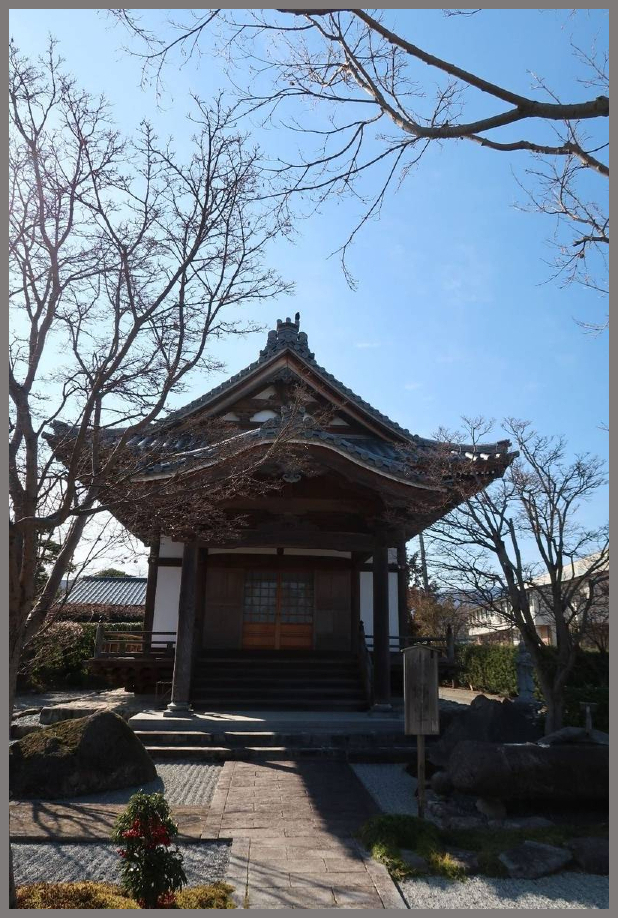
. Temples with legends .
. Japanese Legends - 伝説 民話 昔話 – ABC-List .
. Japan - Shrines and Temples - Index .
[ . BACK to DARUMA MUSEUM . TOP . ]
[ . BACK to WORLDKIGO . TOP . ]
- - #daikozenji #daikoozenji ##yakushikyushu #yakushipilgrims #薬師如来 -
::::::::::::::::::::::::::::::::::::::::::::::::::::::::::::::::::::::::::::::::::::::::::::::::::::::::::::::::::::::::::::::::::::::::::::::::::::::::::::::::::::::::::::::
. Japan - Shrines and Temples - Index .
. Buddhist Temples and their Legends .
. 49 Yakushi Temples in Kyushu 九州四十九薬師霊場 .
::::::::::::::::::::::::::::::::::::::::::::::::::::::::::::::::::::::::::::::::::::::::::::::::::::::::::::::::::::::::::::::::::::::::::::::::::::::::::::::::::::::::::::::
Daikoozenji 大興善寺 Daikozen-Ji, Miyaki
小松山 Komatsuzan 大興善寺 Daikozenji
佐賀県三養基郡基山町園部3628 / Saga prefecture, Miyaki district, Miyaki town, Sonobe
Also called つつじ寺 Tsutsuji-dera, Temple of Azaleas.
The main statue is 十一面観音菩薩 Juichimen Kannon Bosatsu.
- Chant of the temple
The temple was founded in the Nara period by 行基菩薩 Gyoki Bosatsu.
He carved the statue of Kannon with a special technique, itto sanrai 一刀三礼
carving one stroke with the blade and praying three times.
At that time, the temple was called 観世音寺 Kanzeon-Ji or 無量寿院 Muryoju-In.
In 834, the temple burned down, but the Kannon Statue was rescued.
Many people passed this temple and took their hat off, so the temple was also called
kasadatsu Kannon 笠脱観音 "Kannon to take the hat off" .
In 847, 慈覚大師円仁 Priest Jikaku Daishi Ennin passed on his way back home from China.
He revived the temple and called it 大興善寺 Daikozen-Ji.
During the fights in the Kamakura period, the temple lost a lot of its land.
In 1542, the temple was rebuilt on request of the Lord 筑紫惟門 Tsukushi Korekado.
In 1624 the main hall was rebuilt and survided more than 400 years to our day.
- - - - - The acitvities of 豪潮律師 Priest and Painter Gocho Risshi (1749 - 1835)
Around 1800 he stayed at the temple and painted many scrolls, trying to help the people.
In the Meiji period, after the separation of Shrines and Temples, Daikozen-Ji lost its influence
and lost its hootoo 法灯 ritual lamp light.
In 1869, it was revived by the 19 years young priest 玉岡誓恩師 Tamaoka.
Later a slope with stone steps was constructed to make the temple easier to reach
and many azaleas were planted on the side.
tsutsujidera つつじ寺 a Temple with azaleas
In autumn, there are many momiji 紅葉 red maple leaves to admire.
..............................................................................................................................................
shuin 朱印 stamp
.......................................................................
- - - - - Reference of the temple
- source : daikouzenji.com ...
- source : oyakushi.com ...
- reference source : nippon-reijo.jimdofree ... -
::::::::::::::::::::::::::::::::::::::::::::::::::::::::::::::::::::::::::::::::::::::::::::::::::::::::::::::::::::::::::::::::::::::::::::::::::::::::::::::::::::::::::::::
This temple is Nr. 49 of the pilgrimage
. 49 Yakushi Temples in Kyushu 九州四十九薬師霊場 .
. 薬師如来 Yakushi Nyorai Bhaisajyaguru .
the Buddha of Medicine and Healing
::::::::::::::::::::::::::::::::::::::::::::::::::::::::::::::::::::::::::::::::::::::::::::::::::::::::::::::::::::::::::::::::::::::::::::::::::::::::::::::::::::::::::::::
. Temples with legends .
. Japanese Legends - 伝説 民話 昔話 – ABC-List .
. Japan - Shrines and Temples - Index .
[ . BACK to DARUMA MUSEUM . TOP . ]
[ . BACK to WORLDKIGO . TOP . ]
- - #daikozenji #daikoozenji ##yakushikyushu #yakushipilgrims #薬師如来 -
::::::::::::::::::::::::::::::::::::::::::::::::::::::::::::::::::::::::::::::::::::::::::::::::::::::::::::::::::::::::::::::::::::::::::::::::::::::::::::::::::::::::::::::
2023/01/10
Hoshoji Kannon Maita
[ . BACK to DARUMA MUSEUM TOP . ]
. Japan - Shrines and Temples - Index .
. Buddhist Temples and their Legends .
. Ise Saigoku 33 Kannon 伊勢西国三十三所観音巡礼 Pilgrimage .
::::::::::::::::::::::::::::::::::::::::::::::::::::::::::::::::::::::::::::::::::::::::::::::::::::::::::::::::::::::::::::::::::::::::::::::::::::::::::::::::::::::::::::::
Hooshooji 宝性寺 Hosho-Ji, Maita
龍王山 Ryuozan, 宝性寺 Hoshoji
四日市市蒔田2-12-26 / Yokkaichi, Maita (Makita)
The Kannon statue is 十一面観音 Juichimen Kannon.
- quote
The history of the Hōshō-ji starts in 740 with a visit of Emperor Shōmu (701-756) in this area.
The Emperor, being on his way to 朝明行宮 temporary palace in Asake, took a break in Maita village
and ordered the construction of Hōshō-ji temple.
To this day two areas 300m west from the current temple’s site
are still called Hōshō-ji and 堂前 Dōmae (In front of the temple hall).
Hōshō-ji was an impressive complete seven-structured temple compound
built in the middle of 28km2 terrain covered in dense forest.
The temple enshrined Jūichimen Kannon (Eleven-Faced Kannon) as its main statue.
The statue was carved by 良弁僧正 Ryōben (689-773) the founder of Ishiyama-dera temple in Ōmi province.
For many years Hōshō-ji flourished and gathered devoted believers.
Unfortunately it was burned down in 1568 during fights between 滝川一益 Takigawa Kazumasu,
a samurai retainer to Oda Nobunaga, and the troops of local daimyo.
A small hall was built at the temple’s grounds but it burned down again
in the fire that broke out in the winter of 1711.
The Main Hall, which stands to this day, was built in June 1719
donated by the 6th daimyo of Kuwana province 松平忠雅 Matsudaira Tadamasa (1683-1746).
To this day Hōshō-ji temple is very popular among the believers, who refer to it as
蒔田観音 Makita Kannon (Kannon of Makita).
Designated as Tangible Cultural Property of Yokkaichi city, 1977 October 6th.
Temple’s treasure: The history of the Main Statue
The statue enshrined at Hōshō-ji is a Jūichimen Kannon (Eleven-Faced Kannon) carved by Ryōben.
It was made at the same time as the statue of Kannon in Ishiyama-dera temple in Shiga prefecture.
For a certain reason it was brought here to Hōshō-ji and has been worshiped here ever since.
During the night of the 15th of February 1711 Goddess Kannon appeared in a dream of two people:
Tangei of Chōmyō-ji temple and village headman 庄屋甚五兵衛 Jingobē.
She told them: There is a fire at the temple and the base of the statue is already starting to burn.
Come quick and prevent the fire from spreading.
After having the divination they suddenly woke up.
They rushed to the temple and saw that the main statue was already entwined with smoke and couldn’t be seen.
They wanted to put out the fire but there was no water to use anywhere around them.
There was just one big bucket standing in front of the hall
and the water started to flow from it continuously.
They used the water to extinguish the fire and save the Kannon statue.
Without question the water had to be sent by the Goddess.
Both of them wept tears of joy.
Many more miracles happened at this temple but there is no space here left for them.
Truly Goddess Kannon keeps her vow of great compassion and mercy.
She clears away desire, ill will and ignorance of people, grants them happiness and long life.
Kannon vowed to bring love and respect among people, grant long life,
happiness and ease at present and in the future.
The Main Hall is a 5.4m2 tall building with a hipped roof.
It was registered as Yokkaichi city’s Tangible Cultural Property in 1977.
- source : isekannon . hosyoji ...
..............................................................................................................................................
shuin 朱印 stamp
.......................................................................
- - - - - Reference of the temple
- source : google -
- reference source : isekannon.jp/english ... -
- reference source : nippon-reijo.jimdofree ... -
::::::::::::::::::::::::::::::::::::::::::::::::::::::::::::::::::::::::::::::::::::::::::::::::::::::::::::::::::::::::::::::::::::::::::::::::::::::::::::::::::::::::::::::
This temple is Nr. 28 of the pilgrimage
. Ise Saigoku 33 Kannon 伊勢西国三十三所観音巡礼 Pilgrimage .
. Kannon Bosatsu 観音菩薩 Avalokiteshvara .
. Juichimen Kannon 十一面観音 Senju Kannon 千手観音 Kannon with 11 faces and 1000 arms .
::::::::::::::::::::::::::::::::::::::::::::::::::::::::::::::::::::::::::::::::::::::::::::::::::::::::::::::::::::::::::::::::::::::::::::::::::::::::::::::::::::::::::::::
. Temples with legends .
. Japanese Legends - 伝説 民話 昔話 – ABC-List .
. Japan - Shrines and Temples - Index .
[ . BACK to DARUMA MUSEUM . TOP . ]
[ . BACK to WORLDKIGO . TOP . ]
- - #hoshoji #hooshooji #hosyoji ##isesaigoku ##isesaikoku ##isekannon -
::::::::::::::::::::::::::::::::::::::::::::::::::::::::::::::::::::::::::::::::::::::::::::::::::::::::::::::::::::::::::::::::::::::::::::::::::::::::::::::::::::::::::::::
. Japan - Shrines and Temples - Index .
. Buddhist Temples and their Legends .
. Ise Saigoku 33 Kannon 伊勢西国三十三所観音巡礼 Pilgrimage .
::::::::::::::::::::::::::::::::::::::::::::::::::::::::::::::::::::::::::::::::::::::::::::::::::::::::::::::::::::::::::::::::::::::::::::::::::::::::::::::::::::::::::::::
Hooshooji 宝性寺 Hosho-Ji, Maita
龍王山 Ryuozan, 宝性寺 Hoshoji
四日市市蒔田2-12-26 / Yokkaichi, Maita (Makita)
The Kannon statue is 十一面観音 Juichimen Kannon.
- quote
The history of the Hōshō-ji starts in 740 with a visit of Emperor Shōmu (701-756) in this area.
The Emperor, being on his way to 朝明行宮 temporary palace in Asake, took a break in Maita village
and ordered the construction of Hōshō-ji temple.
To this day two areas 300m west from the current temple’s site
are still called Hōshō-ji and 堂前 Dōmae (In front of the temple hall).
Hōshō-ji was an impressive complete seven-structured temple compound
built in the middle of 28km2 terrain covered in dense forest.
The temple enshrined Jūichimen Kannon (Eleven-Faced Kannon) as its main statue.
The statue was carved by 良弁僧正 Ryōben (689-773) the founder of Ishiyama-dera temple in Ōmi province.
For many years Hōshō-ji flourished and gathered devoted believers.
Unfortunately it was burned down in 1568 during fights between 滝川一益 Takigawa Kazumasu,
a samurai retainer to Oda Nobunaga, and the troops of local daimyo.
A small hall was built at the temple’s grounds but it burned down again
in the fire that broke out in the winter of 1711.
The Main Hall, which stands to this day, was built in June 1719
donated by the 6th daimyo of Kuwana province 松平忠雅 Matsudaira Tadamasa (1683-1746).
To this day Hōshō-ji temple is very popular among the believers, who refer to it as
蒔田観音 Makita Kannon (Kannon of Makita).
Designated as Tangible Cultural Property of Yokkaichi city, 1977 October 6th.
Temple’s treasure: The history of the Main Statue
The statue enshrined at Hōshō-ji is a Jūichimen Kannon (Eleven-Faced Kannon) carved by Ryōben.
It was made at the same time as the statue of Kannon in Ishiyama-dera temple in Shiga prefecture.
For a certain reason it was brought here to Hōshō-ji and has been worshiped here ever since.
During the night of the 15th of February 1711 Goddess Kannon appeared in a dream of two people:
Tangei of Chōmyō-ji temple and village headman 庄屋甚五兵衛 Jingobē.
She told them: There is a fire at the temple and the base of the statue is already starting to burn.
Come quick and prevent the fire from spreading.
After having the divination they suddenly woke up.
They rushed to the temple and saw that the main statue was already entwined with smoke and couldn’t be seen.
They wanted to put out the fire but there was no water to use anywhere around them.
There was just one big bucket standing in front of the hall
and the water started to flow from it continuously.
They used the water to extinguish the fire and save the Kannon statue.
Without question the water had to be sent by the Goddess.
Both of them wept tears of joy.
Many more miracles happened at this temple but there is no space here left for them.
Truly Goddess Kannon keeps her vow of great compassion and mercy.
She clears away desire, ill will and ignorance of people, grants them happiness and long life.
Kannon vowed to bring love and respect among people, grant long life,
happiness and ease at present and in the future.
The Main Hall is a 5.4m2 tall building with a hipped roof.
It was registered as Yokkaichi city’s Tangible Cultural Property in 1977.
- source : isekannon . hosyoji ...
..............................................................................................................................................
shuin 朱印 stamp
.......................................................................
- - - - - Reference of the temple
- source : google -
- reference source : isekannon.jp/english ... -
- reference source : nippon-reijo.jimdofree ... -
::::::::::::::::::::::::::::::::::::::::::::::::::::::::::::::::::::::::::::::::::::::::::::::::::::::::::::::::::::::::::::::::::::::::::::::::::::::::::::::::::::::::::::::
This temple is Nr. 28 of the pilgrimage
. Ise Saigoku 33 Kannon 伊勢西国三十三所観音巡礼 Pilgrimage .
. Kannon Bosatsu 観音菩薩 Avalokiteshvara .
. Juichimen Kannon 十一面観音 Senju Kannon 千手観音 Kannon with 11 faces and 1000 arms .
::::::::::::::::::::::::::::::::::::::::::::::::::::::::::::::::::::::::::::::::::::::::::::::::::::::::::::::::::::::::::::::::::::::::::::::::::::::::::::::::::::::::::::::
. Temples with legends .
. Japanese Legends - 伝説 民話 昔話 – ABC-List .
. Japan - Shrines and Temples - Index .
[ . BACK to DARUMA MUSEUM . TOP . ]
[ . BACK to WORLDKIGO . TOP . ]
- - #hoshoji #hooshooji #hosyoji ##isesaigoku ##isesaikoku ##isekannon -
::::::::::::::::::::::::::::::::::::::::::::::::::::::::::::::::::::::::::::::::::::::::::::::::::::::::::::::::::::::::::::::::::::::::::::::::::::::::::::::::::::::::::::::
2023/01/08
Shogenji Yakushi Tosu
[ . BACK to DARUMA MUSEUM TOP . ]
. Japan - Shrines and Temples - Index .
. Buddhist Temples and their Legends .
. 49 Yakushi Temples in Kyushu 九州四十九薬師霊場 .
::::::::::::::::::::::::::::::::::::::::::::::::::::::::::::::::::::::::::::::::::::::::::::::::::::::::::::::::::::::::::::::::::::::::::::::::::::::::::::::::::::::::::::::
Shoogenji 昌元寺 Shogen-Ji, Tosu
光林山 Korinzan 昌元寺 Shogenji
佐賀県鳥栖市田代上町206 / Saga, Tosu city, Tashirokan town
The main statue is 阿弥陀如来 Amida Nyorai.
The Hall for Yakushi Nyorai.
- The altar of the main hall
The date of the founding is not clear.
A group of 六地蔵 Six Jizo Bosatsu statues in the compound.
..............................................................................................................................................
shuin 朱印 stamp
.......................................................................
- - - - - Reference of the temple
- source : omairi.club ...
- source : oyakushi.com ...
- reference source : nippon-reijo.jimdofree ... -
::::::::::::::::::::::::::::::::::::::::::::::::::::::::::::::::::::::::::::::::::::::::::::::::::::::::::::::::::::::::::::::::::::::::::::::::::::::::::::::::::::::::::::::
This temple is Nr. 48 of the pilgrimage
. 49 Yakushi Temples in Kyushu 九州四十九薬師霊場 .
. 薬師如来 Yakushi Nyorai Bhaisajyaguru .
the Buddha of Medicine and Healing
::::::::::::::::::::::::::::::::::::::::::::::::::::::::::::::::::::::::::::::::::::::::::::::::::::::::::::::::::::::::::::::::::::::::::::::::::::::::::::::::::::::::::::::
. Temples with legends .
. Japanese Legends - 伝説 民話 昔話 – ABC-List .
. Japan - Shrines and Temples - Index .
[ . BACK to DARUMA MUSEUM . TOP . ]
[ . BACK to WORLDKIGO . TOP . ]
- - ##shogenji #shoogenji #masashimoto #yakushikyushu #yakushipilgrims #薬師如来 -
::::::::::::::::::::::::::::::::::::::::::::::::::::::::::::::::::::::::::::::::::::::::::::::::::::::::::::::::::::::::::::::::::::::::::::::::::::::::::::::::::::::::::::::
. Japan - Shrines and Temples - Index .
. Buddhist Temples and their Legends .
. 49 Yakushi Temples in Kyushu 九州四十九薬師霊場 .
::::::::::::::::::::::::::::::::::::::::::::::::::::::::::::::::::::::::::::::::::::::::::::::::::::::::::::::::::::::::::::::::::::::::::::::::::::::::::::::::::::::::::::::
Shoogenji 昌元寺 Shogen-Ji, Tosu
光林山 Korinzan 昌元寺 Shogenji
佐賀県鳥栖市田代上町206 / Saga, Tosu city, Tashirokan town
The main statue is 阿弥陀如来 Amida Nyorai.
The Hall for Yakushi Nyorai.
- The altar of the main hall
The date of the founding is not clear.
A group of 六地蔵 Six Jizo Bosatsu statues in the compound.
..............................................................................................................................................
shuin 朱印 stamp
.......................................................................
- - - - - Reference of the temple
- source : omairi.club ...
- source : oyakushi.com ...
- reference source : nippon-reijo.jimdofree ... -
::::::::::::::::::::::::::::::::::::::::::::::::::::::::::::::::::::::::::::::::::::::::::::::::::::::::::::::::::::::::::::::::::::::::::::::::::::::::::::::::::::::::::::::
This temple is Nr. 48 of the pilgrimage
. 49 Yakushi Temples in Kyushu 九州四十九薬師霊場 .
. 薬師如来 Yakushi Nyorai Bhaisajyaguru .
the Buddha of Medicine and Healing
::::::::::::::::::::::::::::::::::::::::::::::::::::::::::::::::::::::::::::::::::::::::::::::::::::::::::::::::::::::::::::::::::::::::::::::::::::::::::::::::::::::::::::::
. Temples with legends .
. Japanese Legends - 伝説 民話 昔話 – ABC-List .
. Japan - Shrines and Temples - Index .
[ . BACK to DARUMA MUSEUM . TOP . ]
[ . BACK to WORLDKIGO . TOP . ]
- - ##shogenji #shoogenji #masashimoto #yakushikyushu #yakushipilgrims #薬師如来 -
::::::::::::::::::::::::::::::::::::::::::::::::::::::::::::::::::::::::::::::::::::::::::::::::::::::::::::::::::::::::::::::::::::::::::::::::::::::::::::::::::::::::::::::
2023/01/06
Chokoji Kannon Tomida
[ . BACK to DARUMA MUSEUM TOP . ]
. Japan - Shrines and Temples - Index .
. Buddhist Temples and their Legends .
. Ise Saigoku 33 Kannon 伊勢西国三十三所観音巡礼 Pilgrimage .
::::::::::::::::::::::::::::::::::::::::::::::::::::::::::::::::::::::::::::::::::::::::::::::::::::::::::::::::::::::::::::::::::::::::::::::::::::::::::::::::::::::::::::::
Chookooji 長興寺 Choko-Ji, Tomida
富田山 Tomidazan 長興寺 Chokoji
四日市市富田3-1-16 / Yokkaichi Tomida
The Kannon statue is 聖観音 / 正観音 Sho Kannon.
- quote
It is believed that the temple’s history started in Yōrō period (717-724)
with an enshrinement of Buddha Yakushi (Buddha of Medicine and Healing).
According to the legend, six years later a monk named 泰澄大師 Taichō, who was on a pilgrimage around the country,
stayed here for the night. In his dream he saw Buddha Yakushi,
who told him: Make a Buddhist statue from the big tree up front and save people.
When he woke up, he looked at the tree and saw an image of Dainichi Nyorai (Great Illuminating Buddha) in it.
He did as he was told in his dream and carved a statue of Dainichi Nyorai in one day and one night.
Because the statue was granting all types of peoples’ wishes, very quickly a temple was built around it.
In July of 817 the temple was rebuilt by 弘法大師 Kobo Daishi Kūkai (774-835), the founder of Shingon sect.
In 1242 a monk named 満月上人 Mangetsu became a new temporary abbot.
He added a new building to the complex and named the temple 北島長興寺 Kitajima Chōkō-ji.
At the beginning this temple was used as a shelter for the poor, sick, and for the orphans.
Since the 9th Century it belonged to Tendai school of Buddhism but in 1545,
when the Lord of Tomida castle 南部兼綱 Nambu Kanetsuna rebuilt this temple
and made it his bodai-ji (a temple performing ceremonies for the souls of clan members),
it changed to Sōtō branch of Zen Buddhism.
In September of the same year Kanetsuna presented a small bell and a gong to 照山 Shōzan, the abbot of Chōkō-ji.
Since then the temple was protected by the Lords of the nearby castle.
On the 28th of May 1564, during the times of abbot 鉄門和尚 Tetsumon,
the temple was moved from Kitajima area to a former site of Tomida castle.
At the time it probably used to stand just beside the 鳥出神社 Toride Shrine
but had to be moved to the current location due to construction of the Kansai line train tracks.
In October of 1568 the temple lost its buildings during Oda Nobunaga’s assault on Ise province.
In 1573 all Buddhist statues including Bishamon (God of Treasure, Wealth, and Warriors)
and Goddess Kannon were deposited at Tarusakasan Kannon-ji.
The Main Hall of Chōkō-ji was rebuilt once again in 1766 and in the following year
it was granted a status of an official sub-temple of Eihei-ji (the main temple of Zen Sōtō school).
It probably happened at the times of 慧鏡禅師 Sakudonō the 8th abbot of Chōkō-ji.
The 45th abbot of Eihei-ji 湛海大和 Hōsan Tankai and the 46th abbot of Eihei-ji 彌山良須 Misan Ryōshu
were honorifically called the 1st and the 2nd founder of Chōkō-ji.
The 10th abbot of Chōkō-ji Tenmyō followed the will of the previous abbots
and continued the repairs and further construction of the temple.
Thank to him the temple flourished and became a praying ground for people of the six villages in Tomida area.
In the February of 1834 the Gate with a bell tower was erected.
In 1844 a ceremony of unveiling the main statue of Dainichi Nyorai was held.
It was followed with theatrical performance and other entertainment for the local community.
The Main Hall was destroyed by an earthquake that occurred on the 14th of June 1854.
It was once again rebuilt and finished on the 17th of March 1879 by the 17th abbot 竹童和尚 Chikudō.
Until then Chōkō-ji had experienced the difficult times of Meiji Restoration and anti-Buddhist movements.
In the Meiji period (1868-1912) the abbot’s quarters were changed
to a temporary building of Tomida Primary School and the Main Hall became
a temporary building of Mie Prefecture 2nd Junior High School.
Chōkō-ji was a part of the Tomida area history where local festivals and memorial service for the hunted whales were held.
But in 1953 the temple’s grounds were cut in half by a road and the temple has lost its historical shape.
In 1996 the Gate with the bell tower was dismantled due to its poor condition.
The old Main Hall, which was struck by an earthquake in 1944
and flooded during the 1959’s typhoon, had to be taken down and rebuilt.
A new Main Hall was finished in 2001.
- source : isekannon .. chokoji ...
..............................................................................................................................................
shuin 朱印 stamp
.......................................................................
- - - - - Reference of the temple
- reference source : isekannon.jp/english ... -
- reference source : nippon-reijo.jimdofree ... -
::::::::::::::::::::::::::::::::::::::::::::::::::::::::::::::::::::::::::::::::::::::::::::::::::::::::::::::::::::::::::::::::::::::::::::::::::::::::::::::::::::::::::::::
This temple is Nr. 27 of the pilgrimage
. Ise Saigoku 33 Kannon 伊勢西国三十三所観音巡礼 Pilgrimage .
. Kannon Bosatsu 観音菩薩 Avalokiteshvara .
. Shō Kannon 聖観音 / 正観音 Sho Kannon / 聖観世音菩薩
::::::::::::::::::::::::::::::::::::::::::::::::::::::::::::::::::::::::::::::::::::::::::::::::::::::::::::::::::::::::::::::::::::::::::::::::::::::::::::::::::::::::::::::
. Japanese Legends - 伝説 民話 昔話 – ABC-List .
....................................................................... Aichi 愛知県
豊橋市 Toyohashi city
niryu no matsu 二龍の松 two dragon pine trees
An old tree may have a mysterious atmosphere or a spirit.
At 長興寺 the Temple Choko-Ji there were two largen pine trees like two children playing.
..............................................................................................................................................
- reference : Nichibun Yokai Database -
::::::::::::::::::::::::::::::::::::::::::::::::::::::::::::::::::::::::::::::::::::::::::::::::::::::::::::::::::::::::::::::::::::::::::::::::::::::::::::::::::::::::::::::
. Temples with legends .
. Japanese Legends - 伝説 民話 昔話 – ABC-List .
. Japan - Shrines and Temples - Index .
[ . BACK to DARUMA MUSEUM . TOP . ]
[ . BACK to WORLDKIGO . TOP . ]
- - #chookooji #chokoji ##isesaigoku ##isesaikoku ##isekannon -
::::::::::::::::::::::::::::::::::::::::::::::::::::::::::::::::::::::::::::::::::::::::::::::::::::::::::::::::::::::::::::::::::::::::::::::::::::::::::::::::::::::::::::::
. Japan - Shrines and Temples - Index .
. Buddhist Temples and their Legends .
. Ise Saigoku 33 Kannon 伊勢西国三十三所観音巡礼 Pilgrimage .
::::::::::::::::::::::::::::::::::::::::::::::::::::::::::::::::::::::::::::::::::::::::::::::::::::::::::::::::::::::::::::::::::::::::::::::::::::::::::::::::::::::::::::::
Chookooji 長興寺 Choko-Ji, Tomida
富田山 Tomidazan 長興寺 Chokoji
四日市市富田3-1-16 / Yokkaichi Tomida
The Kannon statue is 聖観音 / 正観音 Sho Kannon.
- quote
It is believed that the temple’s history started in Yōrō period (717-724)
with an enshrinement of Buddha Yakushi (Buddha of Medicine and Healing).
According to the legend, six years later a monk named 泰澄大師 Taichō, who was on a pilgrimage around the country,
stayed here for the night. In his dream he saw Buddha Yakushi,
who told him: Make a Buddhist statue from the big tree up front and save people.
When he woke up, he looked at the tree and saw an image of Dainichi Nyorai (Great Illuminating Buddha) in it.
He did as he was told in his dream and carved a statue of Dainichi Nyorai in one day and one night.
Because the statue was granting all types of peoples’ wishes, very quickly a temple was built around it.
In July of 817 the temple was rebuilt by 弘法大師 Kobo Daishi Kūkai (774-835), the founder of Shingon sect.
In 1242 a monk named 満月上人 Mangetsu became a new temporary abbot.
He added a new building to the complex and named the temple 北島長興寺 Kitajima Chōkō-ji.
At the beginning this temple was used as a shelter for the poor, sick, and for the orphans.
Since the 9th Century it belonged to Tendai school of Buddhism but in 1545,
when the Lord of Tomida castle 南部兼綱 Nambu Kanetsuna rebuilt this temple
and made it his bodai-ji (a temple performing ceremonies for the souls of clan members),
it changed to Sōtō branch of Zen Buddhism.
In September of the same year Kanetsuna presented a small bell and a gong to 照山 Shōzan, the abbot of Chōkō-ji.
Since then the temple was protected by the Lords of the nearby castle.
On the 28th of May 1564, during the times of abbot 鉄門和尚 Tetsumon,
the temple was moved from Kitajima area to a former site of Tomida castle.
At the time it probably used to stand just beside the 鳥出神社 Toride Shrine
but had to be moved to the current location due to construction of the Kansai line train tracks.
In October of 1568 the temple lost its buildings during Oda Nobunaga’s assault on Ise province.
In 1573 all Buddhist statues including Bishamon (God of Treasure, Wealth, and Warriors)
and Goddess Kannon were deposited at Tarusakasan Kannon-ji.
The Main Hall of Chōkō-ji was rebuilt once again in 1766 and in the following year
it was granted a status of an official sub-temple of Eihei-ji (the main temple of Zen Sōtō school).
It probably happened at the times of 慧鏡禅師 Sakudonō the 8th abbot of Chōkō-ji.
The 45th abbot of Eihei-ji 湛海大和 Hōsan Tankai and the 46th abbot of Eihei-ji 彌山良須 Misan Ryōshu
were honorifically called the 1st and the 2nd founder of Chōkō-ji.
The 10th abbot of Chōkō-ji Tenmyō followed the will of the previous abbots
and continued the repairs and further construction of the temple.
Thank to him the temple flourished and became a praying ground for people of the six villages in Tomida area.
In the February of 1834 the Gate with a bell tower was erected.
In 1844 a ceremony of unveiling the main statue of Dainichi Nyorai was held.
It was followed with theatrical performance and other entertainment for the local community.
The Main Hall was destroyed by an earthquake that occurred on the 14th of June 1854.
It was once again rebuilt and finished on the 17th of March 1879 by the 17th abbot 竹童和尚 Chikudō.
Until then Chōkō-ji had experienced the difficult times of Meiji Restoration and anti-Buddhist movements.
In the Meiji period (1868-1912) the abbot’s quarters were changed
to a temporary building of Tomida Primary School and the Main Hall became
a temporary building of Mie Prefecture 2nd Junior High School.
Chōkō-ji was a part of the Tomida area history where local festivals and memorial service for the hunted whales were held.
But in 1953 the temple’s grounds were cut in half by a road and the temple has lost its historical shape.
In 1996 the Gate with the bell tower was dismantled due to its poor condition.
The old Main Hall, which was struck by an earthquake in 1944
and flooded during the 1959’s typhoon, had to be taken down and rebuilt.
A new Main Hall was finished in 2001.
- source : isekannon .. chokoji ...
..............................................................................................................................................
shuin 朱印 stamp
.......................................................................
- - - - - Reference of the temple
- reference source : isekannon.jp/english ... -
- reference source : nippon-reijo.jimdofree ... -
::::::::::::::::::::::::::::::::::::::::::::::::::::::::::::::::::::::::::::::::::::::::::::::::::::::::::::::::::::::::::::::::::::::::::::::::::::::::::::::::::::::::::::::
This temple is Nr. 27 of the pilgrimage
. Ise Saigoku 33 Kannon 伊勢西国三十三所観音巡礼 Pilgrimage .
. Kannon Bosatsu 観音菩薩 Avalokiteshvara .
. Shō Kannon 聖観音 / 正観音 Sho Kannon / 聖観世音菩薩
::::::::::::::::::::::::::::::::::::::::::::::::::::::::::::::::::::::::::::::::::::::::::::::::::::::::::::::::::::::::::::::::::::::::::::::::::::::::::::::::::::::::::::::
. Japanese Legends - 伝説 民話 昔話 – ABC-List .
....................................................................... Aichi 愛知県
豊橋市 Toyohashi city
niryu no matsu 二龍の松 two dragon pine trees
An old tree may have a mysterious atmosphere or a spirit.
At 長興寺 the Temple Choko-Ji there were two largen pine trees like two children playing.
..............................................................................................................................................
- reference : Nichibun Yokai Database -
::::::::::::::::::::::::::::::::::::::::::::::::::::::::::::::::::::::::::::::::::::::::::::::::::::::::::::::::::::::::::::::::::::::::::::::::::::::::::::::::::::::::::::::
. Temples with legends .
. Japanese Legends - 伝説 民話 昔話 – ABC-List .
. Japan - Shrines and Temples - Index .
[ . BACK to DARUMA MUSEUM . TOP . ]
[ . BACK to WORLDKIGO . TOP . ]
- - #chookooji #chokoji ##isesaigoku ##isesaikoku ##isekannon -
::::::::::::::::::::::::::::::::::::::::::::::::::::::::::::::::::::::::::::::::::::::::::::::::::::::::::::::::::::::::::::::::::::::::::::::::::::::::::::::::::::::::::::::
2023/01/04
Hinata Fudo Nishihori
[ . BACK to DARUMA MUSEUM TOP . ]
. Japan - Shrines and Temples - Index .
. Buddhist Temples and their Legends .
. Adachi 100 Fudo Temples 足立百不動尊霊場 Pilgrimage .
::::::::::::::::::::::::::::::::::::::::::::::::::::::::::::::::::::::::::::::::::::::::::::::::::::::::::::::::::::::::::::::::::::::::::::::::::::::::::::::::::::::::::::::
Hinata Fudo Do 日向不動堂 Hinata Fudo Hall, Nishihori
日向不動堂 Hinata Fudo Do
さいたま市桜区西堀10-4 / Saitama city, Sakura ward, Nishihori
The date of the founding is not clear.
When 弘法大師 Kobo Daishi was on his pilgrimage around Japan,
he visited here and heard about the worries of the people.
Kobo Daishi gave them 不動明王 a Fudo Statue made by 傳教大師 Dengyo Daishi
and placed it here in a small hall.
Later, the local lord, 畠山重忠 Hatakeyama Shigetada (1164 - 1205),
ordered his vassal 真嶋日向守 Majima, Lord of Hinata, to build a castle
and placed the statue there as protector of the clan.
. Saicho, Dengyo Daishi 伝教大師最澄 (766 - 822), .
In the compound are six large statues of Jizo Bosatsu.
- source : itasan31078... -
.......................................................................
- - - - - Reference of the Temple
- reference source : tesshow -
- reference : plaza.rakuten.co.jp/itasan ...
- reference source : hanaetabi.fc2web.com/hudou/index ... -
- reference source : nippon-reijo.jimdofree ... -
::::::::::::::::::::::::::::::::::::::::::::::::::::::::::::::::::::::::::::::::::::::::::::::::::::::::::::::::::::::::::::::::::::::::::::::::::::::::::::::::::::::::::::::
This Temple is Nr. 64 of the
. Adachi 100 Fudo Temples 足立百不動尊霊場 Pilgrimage .
::::::::::::::::::::::::::::::::::::::::::::::::::::::::::::::::::::::::::::::::::::::::::::::::::::::::::::::::::::::::::::::::::::::::::::::::::::::::::::::::::::::::::::::
. Temples with legends .
. Japanese Legends - 伝説 民話 昔話 – ABC-List .
. Japan - Shrines and Temples - Index .
[ . BACK to DARUMA MUSEUM . TOP . ]
[ . BACK to WORLDKIGO . TOP . ]
- - #hinatafudo #hinatanishihori ###adachifudo #busoo #busou -
::::::::::::::::::::::::::::::::::::::::::::::::::::::::::::::::::::::::::::::::::::::::::::::::::::::::::::::::::::::::::::::::::::::::::::::::::::::::::::::::::::::::::::::
. Japan - Shrines and Temples - Index .
. Buddhist Temples and their Legends .
. Adachi 100 Fudo Temples 足立百不動尊霊場 Pilgrimage .
::::::::::::::::::::::::::::::::::::::::::::::::::::::::::::::::::::::::::::::::::::::::::::::::::::::::::::::::::::::::::::::::::::::::::::::::::::::::::::::::::::::::::::::
Hinata Fudo Do 日向不動堂 Hinata Fudo Hall, Nishihori
日向不動堂 Hinata Fudo Do
さいたま市桜区西堀10-4 / Saitama city, Sakura ward, Nishihori
The date of the founding is not clear.
When 弘法大師 Kobo Daishi was on his pilgrimage around Japan,
he visited here and heard about the worries of the people.
Kobo Daishi gave them 不動明王 a Fudo Statue made by 傳教大師 Dengyo Daishi
and placed it here in a small hall.
Later, the local lord, 畠山重忠 Hatakeyama Shigetada (1164 - 1205),
ordered his vassal 真嶋日向守 Majima, Lord of Hinata, to build a castle
and placed the statue there as protector of the clan.
. Saicho, Dengyo Daishi 伝教大師最澄 (766 - 822), .
In the compound are six large statues of Jizo Bosatsu.
- source : itasan31078... -
.......................................................................
- - - - - Reference of the Temple
- reference source : tesshow -
- reference : plaza.rakuten.co.jp/itasan ...
- reference source : hanaetabi.fc2web.com/hudou/index ... -
- reference source : nippon-reijo.jimdofree ... -
::::::::::::::::::::::::::::::::::::::::::::::::::::::::::::::::::::::::::::::::::::::::::::::::::::::::::::::::::::::::::::::::::::::::::::::::::::::::::::::::::::::::::::::
This Temple is Nr. 64 of the
. Adachi 100 Fudo Temples 足立百不動尊霊場 Pilgrimage .
::::::::::::::::::::::::::::::::::::::::::::::::::::::::::::::::::::::::::::::::::::::::::::::::::::::::::::::::::::::::::::::::::::::::::::::::::::::::::::::::::::::::::::::
. Temples with legends .
. Japanese Legends - 伝説 民話 昔話 – ABC-List .
. Japan - Shrines and Temples - Index .
[ . BACK to DARUMA MUSEUM . TOP . ]
[ . BACK to WORLDKIGO . TOP . ]
- - #hinatafudo #hinatanishihori ###adachifudo #busoo #busou -
::::::::::::::::::::::::::::::::::::::::::::::::::::::::::::::::::::::::::::::::::::::::::::::::::::::::::::::::::::::::::::::::::::::::::::::::::::::::::::::::::::::::::::::
2023/01/03
Eishoji Yakushi Toyoda
[ . BACK to DARUMA MUSEUM TOP . ]
. Japan - Shrines and Temples - Index .
. Buddhist Temples and their Legends .
. 49 Yakushi Temples in Kyushu 九州四十九薬師霊場 .
::::::::::::::::::::::::::::::::::::::::::::::::::::::::::::::::::::::::::::::::::::::::::::::::::::::::::::::::::::::::::::::::::::::::::::::::::::::::::::::::::::::::::::::
Eishooji 永勝寺 Eisho-Ji, Toyoda
柳坂山 Ryubanzan 永勝寺 Eishoji
福岡県久留米市山本町豊田2155 / Fukuoka, Kurume city, Yamamoto town, Toyoda
The Yakushi statue is one of the three famous Yakushi Nyorai statues. 日本三薬師.
The others are in 出雲の一畑 Izumo no Ichihata and「伊予の山田」Iyo no Yamada.
. Three famous regional Yakushi Temples .
The temple was founded in 680.
It was founded with the prayer request to heal the empress.
On the way up to the main building there is a huge sugi 杉 pine tree.
The two statues of the 仁王像 the Nio guardians at the gate.
In the compound are 6 statues of Jizo Bosatsu, where people came to pray
for healing from hyakunichizeki 百日咳whooping cough.
In the compound is a statue of 文殊菩薩 Monju Bosatsu, the Buddha of Wisdom.
Many trees bring lovely autumn colors to the compound.
In the compound are stone Buddha statues and some Arhats
from the group of gohyaku rakan 五百羅漢 Fivehundred Arhats.
Carp streamers are hung among them in May to pray for the healthy upbringing of children.
In the compound is a large sugi 大杉 pine tree, an itchoo 銀杏 gingko tree of about 300 years old
and a lot of trees with red leaves in Autumn, around November 20.
..............................................................................................................................................
shuin 朱印 stamp
.......................................................................
- - - - - Reference of the temple
- source : welcome-kurume.com/spots ...
- source : oyakushi.com ...
- reference source : nippon-reijo.jimdofree ... -
::::::::::::::::::::::::::::::::::::::::::::::::::::::::::::::::::::::::::::::::::::::::::::::::::::::::::::::::::::::::::::::::::::::::::::::::::::::::::::::::::::::::::::::
This temple is Nr. 47 of the pilgrimage
. 49 Yakushi Temples in Kyushu 九州四十九薬師霊場 .
. 薬師如来 Yakushi Nyorai Bhaisajyaguru .
the Buddha of Medicine and Healing
::::::::::::::::::::::::::::::::::::::::::::::::::::::::::::::::::::::::::::::::::::::::::::::::::::::::::::::::::::::::::::::::::::::::::::::::::::::::::::::::::::::::::::::
. Temples with legends .
. Japanese Legends - 伝説 民話 昔話 – ABC-List .
. Japan - Shrines and Temples - Index .
[ . BACK to DARUMA MUSEUM . TOP . ]
[ . BACK to WORLDKIGO . TOP . ]
- - ##eishoji #eishooji #toyoda #yakushikyushu #yakushipilgrims #薬師如来 -
::::::::::::::::::::::::::::::::::::::::::::::::::::::::::::::::::::::::::::::::::::::::::::::::::::::::::::::::::::::::::::::::::::::::::::::::::::::::::::::::::::::::::::::
. Japan - Shrines and Temples - Index .
. Buddhist Temples and their Legends .
. 49 Yakushi Temples in Kyushu 九州四十九薬師霊場 .
::::::::::::::::::::::::::::::::::::::::::::::::::::::::::::::::::::::::::::::::::::::::::::::::::::::::::::::::::::::::::::::::::::::::::::::::::::::::::::::::::::::::::::::
Eishooji 永勝寺 Eisho-Ji, Toyoda
柳坂山 Ryubanzan 永勝寺 Eishoji
福岡県久留米市山本町豊田2155 / Fukuoka, Kurume city, Yamamoto town, Toyoda
The Yakushi statue is one of the three famous Yakushi Nyorai statues. 日本三薬師.
The others are in 出雲の一畑 Izumo no Ichihata and「伊予の山田」Iyo no Yamada.
. Three famous regional Yakushi Temples .
The temple was founded in 680.
It was founded with the prayer request to heal the empress.
On the way up to the main building there is a huge sugi 杉 pine tree.
The two statues of the 仁王像 the Nio guardians at the gate.
In the compound are 6 statues of Jizo Bosatsu, where people came to pray
for healing from hyakunichizeki 百日咳whooping cough.
In the compound is a statue of 文殊菩薩 Monju Bosatsu, the Buddha of Wisdom.
Many trees bring lovely autumn colors to the compound.
In the compound are stone Buddha statues and some Arhats
from the group of gohyaku rakan 五百羅漢 Fivehundred Arhats.
Carp streamers are hung among them in May to pray for the healthy upbringing of children.
In the compound is a large sugi 大杉 pine tree, an itchoo 銀杏 gingko tree of about 300 years old
and a lot of trees with red leaves in Autumn, around November 20.
..............................................................................................................................................
shuin 朱印 stamp
.......................................................................
- - - - - Reference of the temple
- source : welcome-kurume.com/spots ...
- source : oyakushi.com ...
- reference source : nippon-reijo.jimdofree ... -
::::::::::::::::::::::::::::::::::::::::::::::::::::::::::::::::::::::::::::::::::::::::::::::::::::::::::::::::::::::::::::::::::::::::::::::::::::::::::::::::::::::::::::::
This temple is Nr. 47 of the pilgrimage
. 49 Yakushi Temples in Kyushu 九州四十九薬師霊場 .
. 薬師如来 Yakushi Nyorai Bhaisajyaguru .
the Buddha of Medicine and Healing
::::::::::::::::::::::::::::::::::::::::::::::::::::::::::::::::::::::::::::::::::::::::::::::::::::::::::::::::::::::::::::::::::::::::::::::::::::::::::::::::::::::::::::::
. Temples with legends .
. Japanese Legends - 伝説 民話 昔話 – ABC-List .
. Japan - Shrines and Temples - Index .
[ . BACK to DARUMA MUSEUM . TOP . ]
[ . BACK to WORLDKIGO . TOP . ]
- - ##eishoji #eishooji #toyoda #yakushikyushu #yakushipilgrims #薬師如来 -
::::::::::::::::::::::::::::::::::::::::::::::::::::::::::::::::::::::::::::::::::::::::::::::::::::::::::::::::::::::::::::::::::::::::::::::::::::::::::::::::::::::::::::::
2023/01/02
Kannonji Kannon Tarusaka
[ . BACK to DARUMA MUSEUM TOP . ]
. Japan - Shrines and Temples - Index .
. Buddhist Temples and their Legends .
. Ise Saigoku 33 Kannon 伊勢西国三十三所観音巡礼 Pilgrimage .
::::::::::::::::::::::::::::::::::::::::::::::::::::::::::::::::::::::::::::::::::::::::::::::::::::::::::::::::::::::::::::::::::::::::::::::::::::::::::::::::::::::::::::::
Kannonji 観音寺 Kannon-Ji, Tarusaka
垂坂山 Tarusakazan 観音寺 Kannonji
三重県四日市市垂坂町1266 / Mie, Yokkaichi city, Tarusaka town
The Kannon statue is 千手観音 Senju Kannon with 1000 Arms.
- quote
Tendai sect temple which enshrines 良見 Ryōgen (元三慈恵大師 Ganzan Jie Daishi)
Tarusakasan Kannon-ji is a famous temple which worships
monk 良見 Ryōgen (also known as 元三大師 Ganzan Daishi or 慈恵大師 Jie Daishi, 912-985) –
a restorer of Tendai sect as a main statue.
It is well known in the area and referred to as Tarusakasan no Odaishisan (Great Teacher of Tarusakasan)
or Ganzansan (Master Ganzan).
The temple’s history started in 982 when young Ryōgen, on the way to Ise province,
visited this area during his preaching tour.
The master of this land 舟木良見 Funaki Yoshimi became a devoted believer
and decided to donate a hall at Mount Tarusaka.
Tarusaka Kannon-ji became a branch temple of Tendai sect in Ise province.
In its prime time the temple was a big complex consisting of 24 sub-temples.
Unfortunately all buildings were destroyed in 1575 during a fight with troops of Oda Nobunaga (1534-1582,
later regarded as the first “Great Unifier” of Japan).
The temple fell into ruin.
More than 100 years later it was rebuilt thanks to the efforts of 野村増右衛門 Nomura Masuemon (1646-1710)
– a samurai of Kuwana province.
He asked his Lord 松平定重 Matsudaira Sadashige (1644-1717) to revive the temple.
As a result Tarusaka Kannon-ji was rebuilt in 1691 by the order of Lord Matsudaira.
Ryōgen (Ganzan – Jie Daishi)
Ryōgen was born in 912 and it is said that he was a descendant of 宇多天皇 Emperor Uda (867-931).
When he was 12 years old he climbed Mount Hiei, the sacred ground of Tendai school of Buddhism.
He became a monk and studied under a high monk 理仙阿闍梨 Risen.
At the age of 54 he became a head priest of Enryaku-ji temple, the main temple of Tendai sect located at Mount Hiei.
When Ryōgen was 73 years old a plague was spreading across the Country.
He felt pity for the suffering people so he decided to conduct a demon conquering ritual.
When he looked in the mirror, he saw himself growing demon horns.
He carved his image into a wooden block, used it to print protective amulets
and distributed it among people.
Later on these amulets gathered many believers and were called
角大師 Tsuno Daishi (Horned Master) or
豆(魔滅)大師Mame Daishi (Bean Master or Demon Destroying Master).
- source : isekannon.jp/otera ...
..............................................................................................................................................
shuin 朱印 stamp
.......................................................................
- - - - - Homepage of the temple
- source : kannonji.me ...
- reference source : isekannon.jp/english ... -
- reference source : nippon-reijo.jimdofree ... -
::::::::::::::::::::::::::::::::::::::::::::::::::::::::::::::::::::::::::::::::::::::::::::::::::::::::::::::::::::::::::::::::::::::::::::::::::::::::::::::::::::::::::::::
This temple is Nr. 26 of the pilgrimage
. Ise Saigoku 33 Kannon 伊勢西国三十三所観音巡礼 Pilgrimage .
. Kannon Bosatsu 観音菩薩 Avalokiteshvara .
. Senju Kannon 千手観音 Kannon with 11 faces and 1000 arms .
::::::::::::::::::::::::::::::::::::::::::::::::::::::::::::::::::::::::::::::::::::::::::::::::::::::::::::::::::::::::::::::::::::::::::::::::::::::::::::::::::::::::::::::
. Temples with legends .
. Japanese Legends - 伝説 民話 昔話 – ABC-List .
. Japan - Shrines and Temples - Index .
[ . BACK to DARUMA MUSEUM . TOP . ]
[ . BACK to WORLDKIGO . TOP . ]
- - ##kannonji #kannontemple #tarusaka ##isesaigoku ##isesaikoku ##isekannon -
::::::::::::::::::::::::::::::::::::::::::::::::::::::::::::::::::::::::::::::::::::::::::::::::::::::::::::::::::::::::::::::::::::::::::::::::::::::::::::::::::::::::::::::
. Japan - Shrines and Temples - Index .
. Buddhist Temples and their Legends .
. Ise Saigoku 33 Kannon 伊勢西国三十三所観音巡礼 Pilgrimage .
::::::::::::::::::::::::::::::::::::::::::::::::::::::::::::::::::::::::::::::::::::::::::::::::::::::::::::::::::::::::::::::::::::::::::::::::::::::::::::::::::::::::::::::
Kannonji 観音寺 Kannon-Ji, Tarusaka
垂坂山 Tarusakazan 観音寺 Kannonji
三重県四日市市垂坂町1266 / Mie, Yokkaichi city, Tarusaka town
The Kannon statue is 千手観音 Senju Kannon with 1000 Arms.
- quote
Tendai sect temple which enshrines 良見 Ryōgen (元三慈恵大師 Ganzan Jie Daishi)
Tarusakasan Kannon-ji is a famous temple which worships
monk 良見 Ryōgen (also known as 元三大師 Ganzan Daishi or 慈恵大師 Jie Daishi, 912-985) –
a restorer of Tendai sect as a main statue.
It is well known in the area and referred to as Tarusakasan no Odaishisan (Great Teacher of Tarusakasan)
or Ganzansan (Master Ganzan).
The temple’s history started in 982 when young Ryōgen, on the way to Ise province,
visited this area during his preaching tour.
The master of this land 舟木良見 Funaki Yoshimi became a devoted believer
and decided to donate a hall at Mount Tarusaka.
Tarusaka Kannon-ji became a branch temple of Tendai sect in Ise province.
In its prime time the temple was a big complex consisting of 24 sub-temples.
Unfortunately all buildings were destroyed in 1575 during a fight with troops of Oda Nobunaga (1534-1582,
later regarded as the first “Great Unifier” of Japan).
The temple fell into ruin.
More than 100 years later it was rebuilt thanks to the efforts of 野村増右衛門 Nomura Masuemon (1646-1710)
– a samurai of Kuwana province.
He asked his Lord 松平定重 Matsudaira Sadashige (1644-1717) to revive the temple.
As a result Tarusaka Kannon-ji was rebuilt in 1691 by the order of Lord Matsudaira.
Ryōgen (Ganzan – Jie Daishi)
Ryōgen was born in 912 and it is said that he was a descendant of 宇多天皇 Emperor Uda (867-931).
When he was 12 years old he climbed Mount Hiei, the sacred ground of Tendai school of Buddhism.
He became a monk and studied under a high monk 理仙阿闍梨 Risen.
At the age of 54 he became a head priest of Enryaku-ji temple, the main temple of Tendai sect located at Mount Hiei.
When Ryōgen was 73 years old a plague was spreading across the Country.
He felt pity for the suffering people so he decided to conduct a demon conquering ritual.
When he looked in the mirror, he saw himself growing demon horns.
He carved his image into a wooden block, used it to print protective amulets
and distributed it among people.
Later on these amulets gathered many believers and were called
角大師 Tsuno Daishi (Horned Master) or
豆(魔滅)大師Mame Daishi (Bean Master or Demon Destroying Master).
- source : isekannon.jp/otera ...
..............................................................................................................................................
shuin 朱印 stamp
.......................................................................
- - - - - Homepage of the temple
- source : kannonji.me ...
- reference source : isekannon.jp/english ... -
- reference source : nippon-reijo.jimdofree ... -
::::::::::::::::::::::::::::::::::::::::::::::::::::::::::::::::::::::::::::::::::::::::::::::::::::::::::::::::::::::::::::::::::::::::::::::::::::::::::::::::::::::::::::::
This temple is Nr. 26 of the pilgrimage
. Ise Saigoku 33 Kannon 伊勢西国三十三所観音巡礼 Pilgrimage .
. Kannon Bosatsu 観音菩薩 Avalokiteshvara .
. Senju Kannon 千手観音 Kannon with 11 faces and 1000 arms .
::::::::::::::::::::::::::::::::::::::::::::::::::::::::::::::::::::::::::::::::::::::::::::::::::::::::::::::::::::::::::::::::::::::::::::::::::::::::::::::::::::::::::::::
. Temples with legends .
. Japanese Legends - 伝説 民話 昔話 – ABC-List .
. Japan - Shrines and Temples - Index .
[ . BACK to DARUMA MUSEUM . TOP . ]
[ . BACK to WORLDKIGO . TOP . ]
- - ##kannonji #kannontemple #tarusaka ##isesaigoku ##isesaikoku ##isekannon -
::::::::::::::::::::::::::::::::::::::::::::::::::::::::::::::::::::::::::::::::::::::::::::::::::::::::::::::::::::::::::::::::::::::::::::::::::::::::::::::::::::::::::::::
Subscribe to:
Comments (Atom)


